

Workshops & Courses
Live sessions and short courses — archived for self-study.
Live sessions and short courses — archived for self-study.

Self-paced tutorials written by (and for) biologists

Support the next generation
Most coding tutorials are written for computer scientists, not biologists. Our pedagogy is grounded in decades of teaching graduate and undergraduate biologists, backed by the latest pedagogical research with a focus on coding fluency and deep understanding. Every example uses biological data from first-hand experience publishing biological research in peer-reviewed journals on a number of topics: invasion genetics, disease ecology, fundamental theory, and more.
The curriculum is free to read here. Printed books and e-book editions are available from DP Press. To support this project, please consider buying a book to gift to a friend or colleague, make a donation, contribute new content, or (co)-host a course or workshop.
Dr. Robert I. Colautti is an Associate Professor of Biology at Queen's University in Kingston, Ontario, and Principal Investigator of the EcoEvoGeno Lab. His research examines how species adapt and evolve rapidly in novel environments shaped by climate change, habitat modification, and biological invasions — combining next-generation sequencing with classical field ecology and quantitative genetics. The books and workshops on this site grew directly out of more than a decade of teaching coding and computational methods to biology students at the undergraduate and graduate level.
The EcoEvoGeno Lab investigates how and why contemporary evolution occurs in novel environments, and how it shapes ecological dynamics. Active research spans tick-borne disease vectors, invasive plant species, plant local adaptation under climate change, and soil microbial communities — pairing meticulous field studies with global collaborative projects to address contemporary evolution and invasive-species management.
Many people have contributed to this curriculum over the years — current students who tested chapters, alumni who shaped the original lessons, and undergraduate researchers who tracked down typos and tested code. Below is the current EcoEvoGeno team. Full membership and alumni list at EcoEvoGeno.org/people.html.
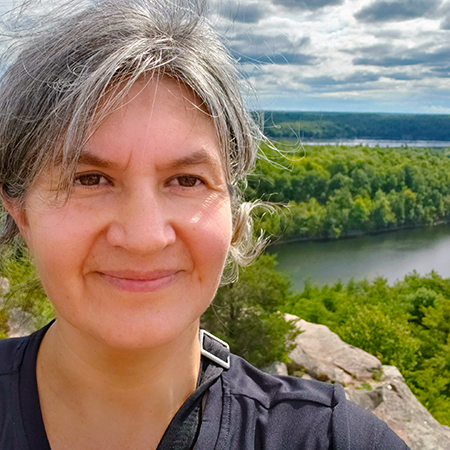
MSc Student
University of Exeter
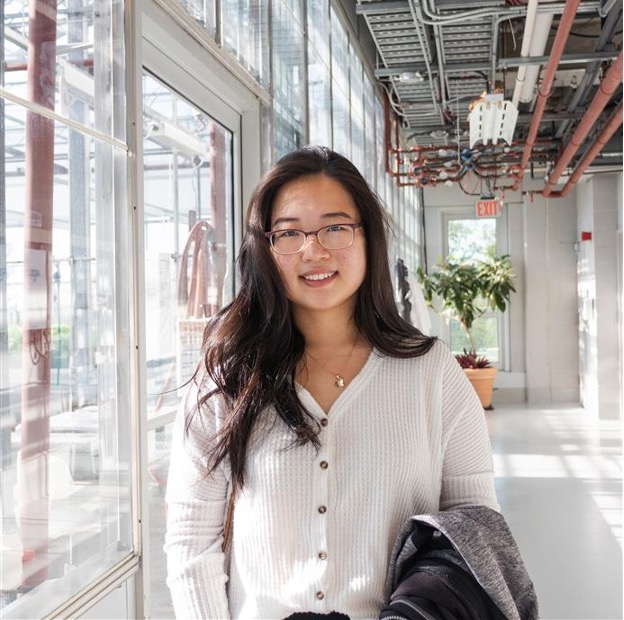
PhD Student
University of Toronto
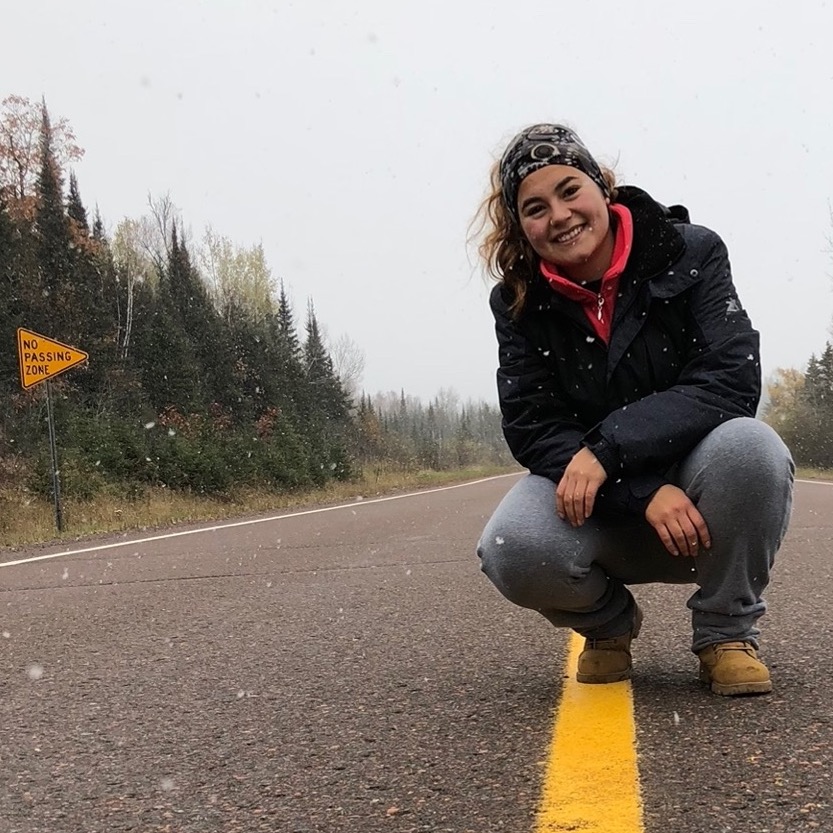
PhD Student
University of Toronto
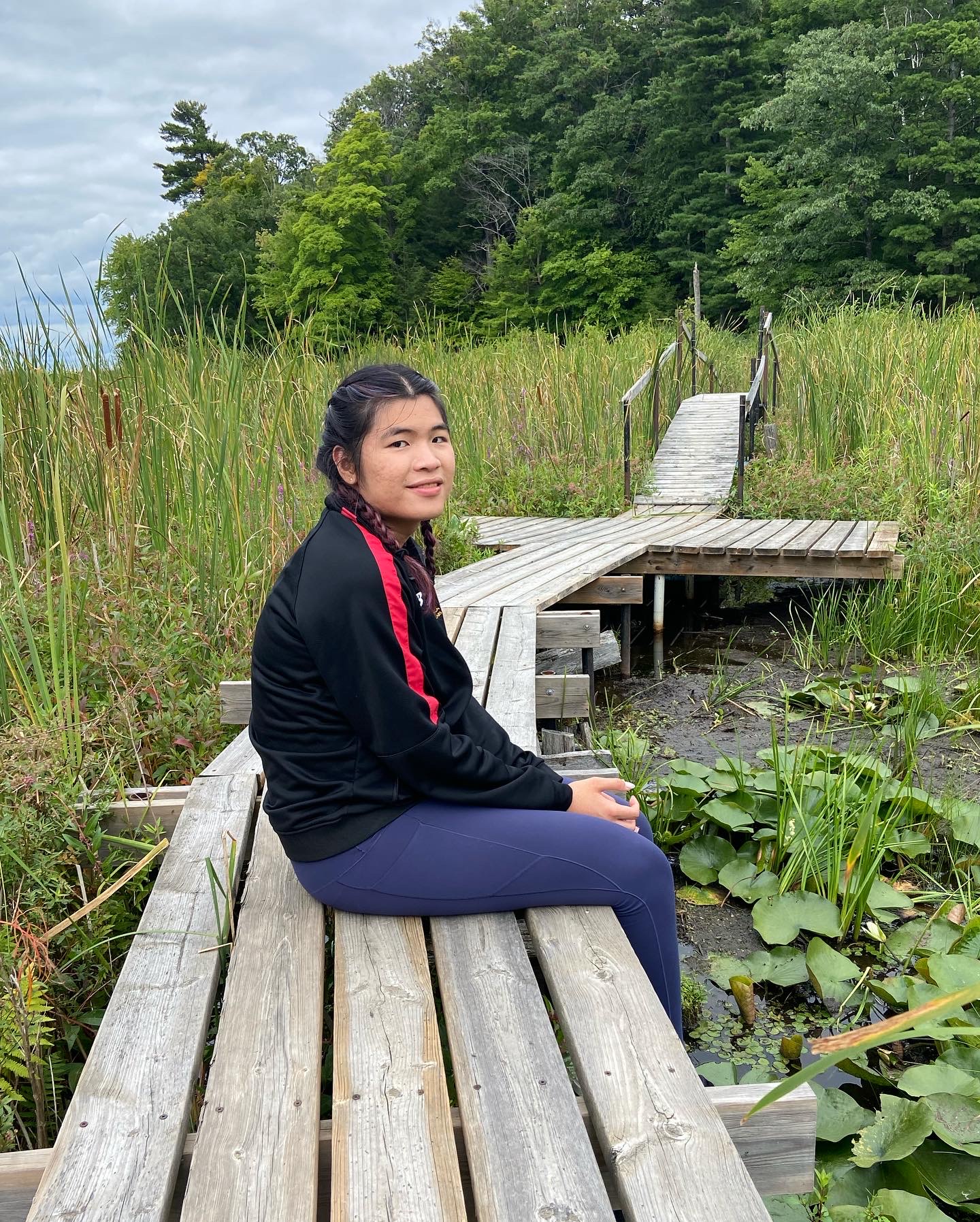
PhD Candidate
Queen's University
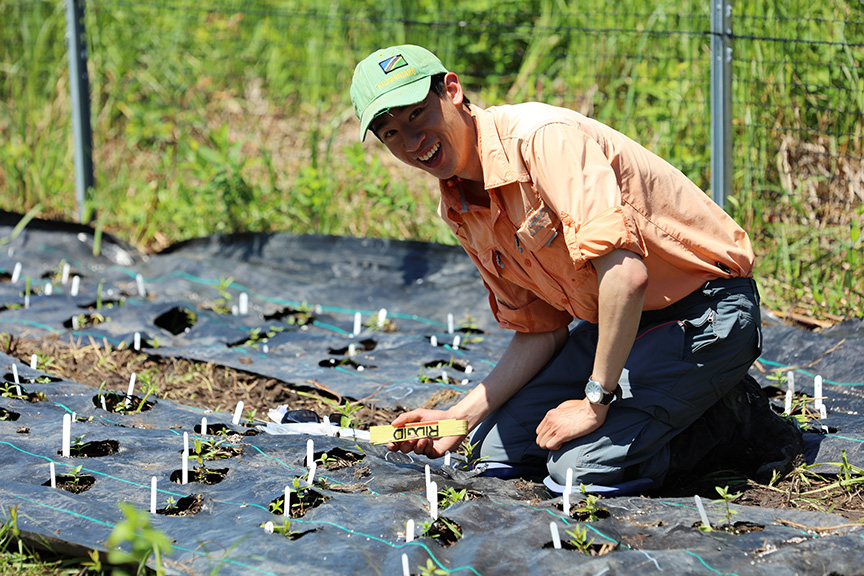
PhD Student
Queen's University
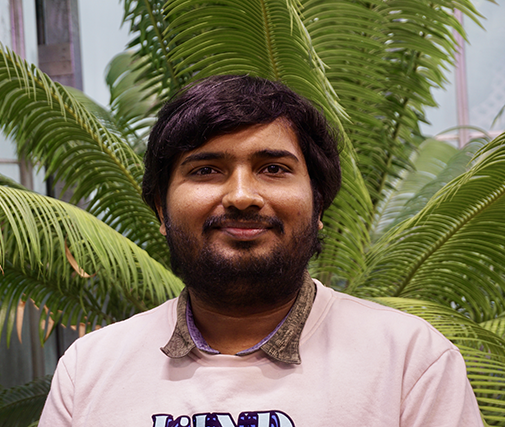
PhD Student
Queen's University
MSc Student
Queen's University
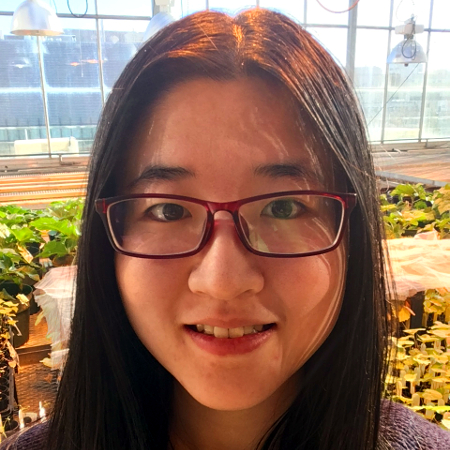
MSc Student
Queen's University
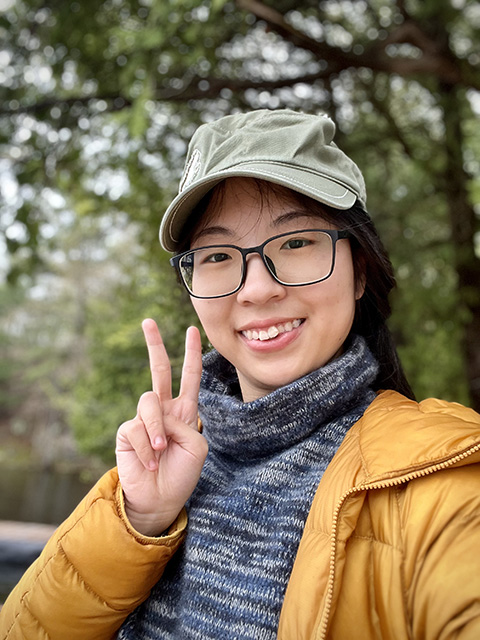
MSc Student
Queen's University
Sima Afsharnezhad, Mia Akbar, Shrey Anand, Damian Bourne, Katherine Duchesneau, Richard Honor, Andrew Le, Amber Paulson, and many undergraduate and co-op students who tested code, hunted typos, or built the workflows these books grew out of. Full list at EcoEvoGeno.org/people.html.
The full curriculum will always be free to read on the web. If it's been useful to you, here are a few ways to give back — if you are able.
From DP Press: a polished, print-grade companion to the online curriculum — with format extras for offline study, classroom use, and bookshelf reference.
One-time or recurring donations, no obligation. Funds new chapters, translations, and student-led workshop materials.
We love hearing how people use these materials — and if it’s helped, the easiest way to pay it forward is to send the next person to the site.